



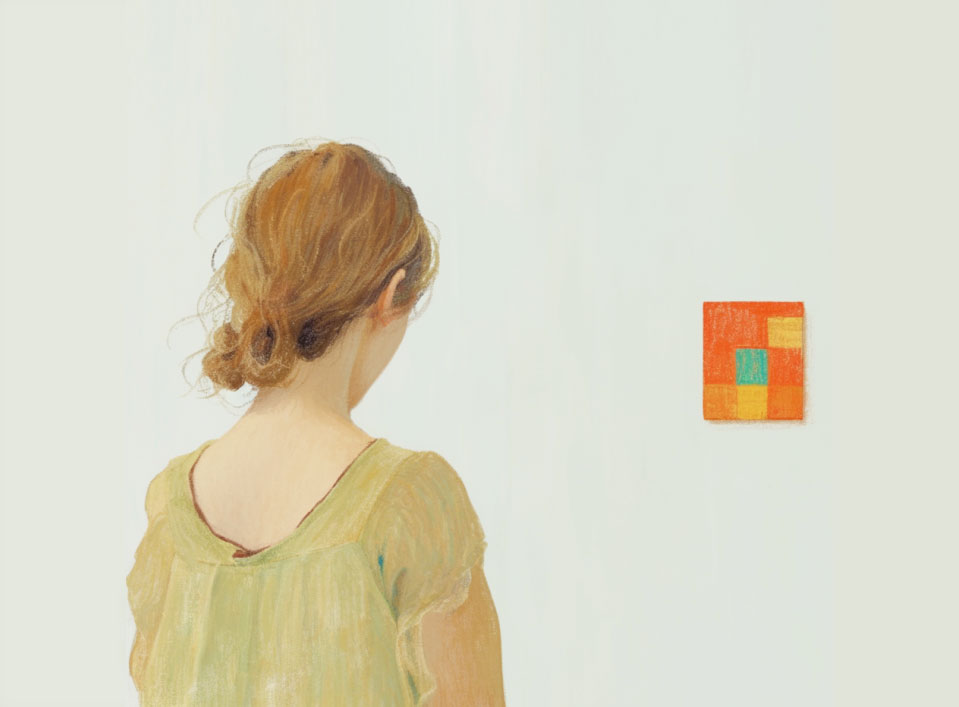
Why Small Art is Making a Big Impact Right Now
Art has always had the power to transform spaces and perspectives, but recently, it's the smaller pieces that are making the loudest noise. From galleries to art fairs, the rise of small-scale paintings and sculptures has become impossible to ignore. But what’s behind this shift towards compact creativity?
The Allure of Intimacy
Artists like Curtis Talwst Santiago have shown that small doesn’t mean insignificant. His miniature dioramas, often crafted inside jewelry boxes, hold entire worlds within a few inches. These pocket-sized masterpieces evoke powerful emotions, inviting viewers to step closer and engage on a more personal level. In an era dominated by oversized canvases, Santiago’s work stands as a testament to the beauty of restraint.
Similarly, Orazio Caputo's intricate portraits blend abstraction with realism, capturing complex emotions within modest dimensions. His small-scale works invite contemplation, drawing the viewer into the nuanced interplay of colors, shapes, and expressive faces. Caputo’s art demonstrates that even the simplest forms can carry profound meaning.
The Economic Factor
Art trends often reflect the times, and the current economic climate plays a role in the growing popularity of smaller artworks. With rising shipping and storage costs, both galleries and collectors are drawn to pieces that are easier to manage. Smaller works not only reduce logistical expenses but also appeal to collectors with limited display space.
A Shift in Market Dynamics
While monumental artworks once dominated the art scene, the tide is turning. The “bigger is better” mindset peaked around 2022, coinciding with a bullish art market. Today, the focus has shifted towards pieces that offer depth without demanding space. Artists like Brook Hsu and Chris Ofili are embracing smaller formats, proving that impact isn't measured in square footage.
The Influence of the Old Masters
Exhibitions like the 2023 Vermeer showcase at the Rijksmuseum highlighted the timeless appeal of small-scale art. Vermeer’s delicate, intimate paintings captivated audiences, reinforcing the idea that size doesn’t define significance. This resurgence of interest in historical small works has trickled down to contemporary artists, inspiring a renewed appreciation for detailed, compact creations.
Practical and Personal
Beyond economics and trends, small art offers something deeply personal. It invites viewers to engage closely, creating an intimate experience that large works often can't replicate. Artists like Olivia Jia and Mia Middleton harness this intimacy, crafting pieces that draw viewers in, encouraging a closer, more thoughtful interaction.
Small Art, Big Presence
In a world where bigger often equates to better, the art world is embracing the opposite. Small artworks prove that profound impact can come in compact forms. They challenge the traditional metrics of value and invite us to find meaning in the details. Whether driven by economic shifts, practical considerations, or a desire for intimacy, one thing is clear: small art is making a big statement.