



Stedelijk Museum Restitutes Matisse Painting Sold Under Duress During WWII
The Stedelijk Museum in Amsterdam is set to return a Henri Matisse painting to the heirs of Jewish textile manufacturer Albert Stern, who was forced to sell the artwork while fleeing Nazi Germany during World War II.
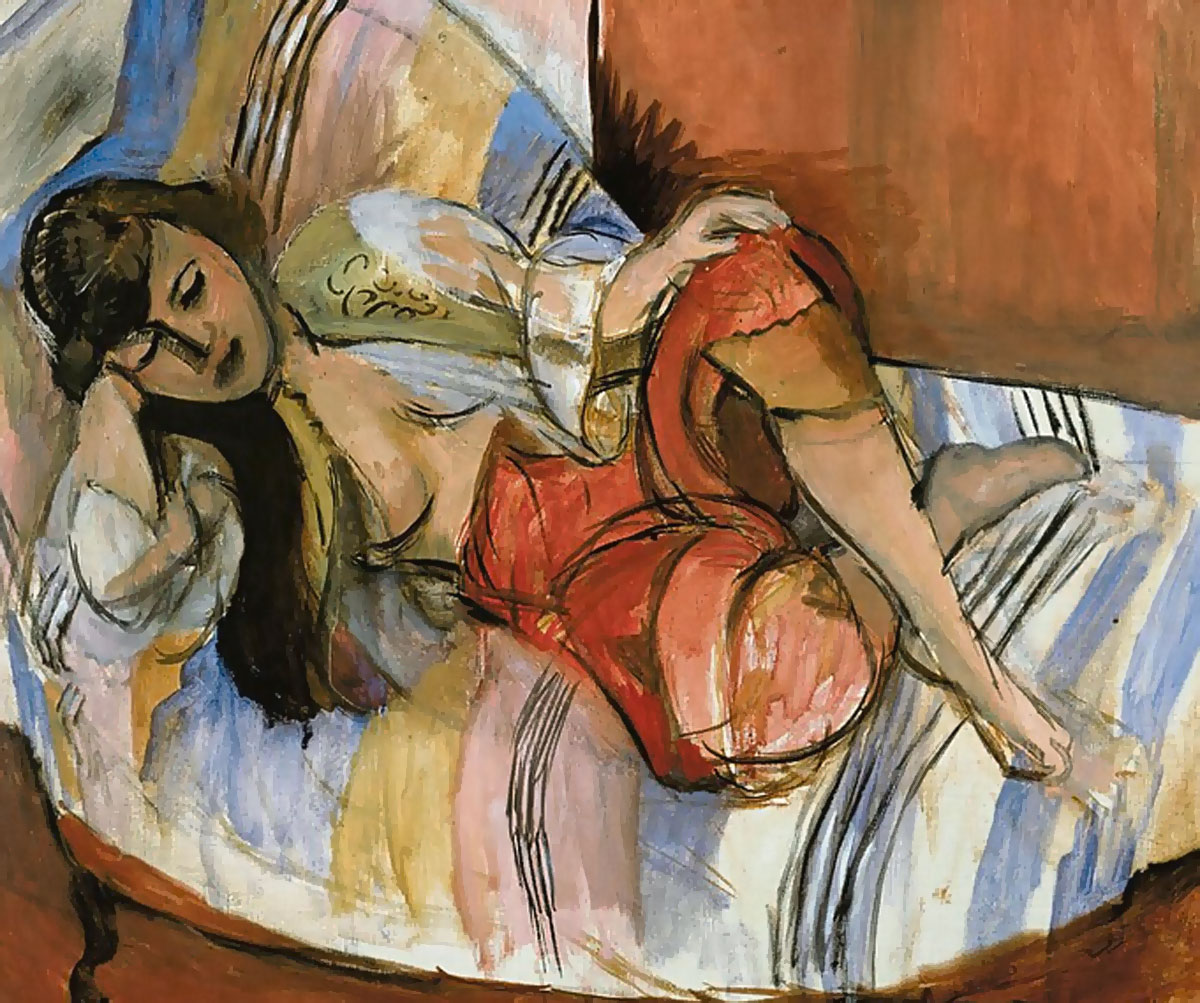
Henri Matisse’s Odalisque
The Artwork: Odalisque (1920/1921)
Odalisque depicts a woman reclining on a day bed, adorned in colorful, loose clothing, with her dark hair cascading to one side. The painting is characterized by expressive brushstrokes, bold lines, and vibrant colors, forming part of a series inspired by Matisse’s trip to Morocco in 1912.
Acquisition and Restitution
The painting has been in the Stedelijk Museum's collection since 1941. The Dutch Restitutions Commission recently concluded that it was "sufficiently plausible" that Stern was coerced into selling the painting to escape Nazi-occupied Netherlands. Consequently, the museum announced that the painting would be returned to Stern’s heirs.
The painting has been in the Stedelijk Museum's collection since 1941. The Dutch Restitutions Commission recently concluded that it was "sufficiently plausible" that Stern was coerced into selling the painting to escape Nazi-occupied Netherlands. Consequently, the museum announced that the painting would be returned to Stern’s heirs.
Albert Stern’s Legacy
A Patron of the Arts
Albert Stern, alongside his brother Siegbert, co-founded the women’s clothing brand Graumann and Stern in 1888. With his wife Marie, Stern amassed an impressive art collection, including works by Vincent Van Gogh and Edvard Munch. The family’s attempts to secure visas to various countries during their escape from Nazi persecution were ultimately unsuccessful.
Tragic End and Survival
Albert Stern was captured by the Nazis and died in an internment camp at Laufen Castle in Bavaria in January 1945. His son Erich was killed at Auschwitz in 1944, and his son Rudolf died in Buchenwald in 1945. Rudolf’s two children and Stern’s wife, Marie, were the sole survivors of the family.
The Restitution Process
Efforts to Return Odalisque
The return of Odalisque marks a significant moment for the Stern family. The Dutch Restitutions Commission ruled that the sale of the painting was an involuntary loss due to the Nazi regime. Rein Wolfs, director of the Stedelijk Museum, noted that the institution has been addressing provenance questions since 2013 and submitted the case for restitution consideration jointly with the Stern heirs.
Symbolic Justice for the Stern Family
“The return of the Matisse is a moving and overwhelming moment for us all,” the family stated. The restitution of Odalisque symbolizes acknowledgment of the family’s tragic history and provides a sense of justice.
The return of Henri Matisse’s Odalisque to the Stern heirs underscores the importance of acknowledging and rectifying historical injustices. By ensuring that art stolen or sold under duress during times of conflict is returned to its rightful owners or their descendants, we honor the memories and legacies of those who suffered. The Stedelijk Museum’s actions highlight a commitment to justice and historical integrity.